


Why are colored diamonds more valuable?
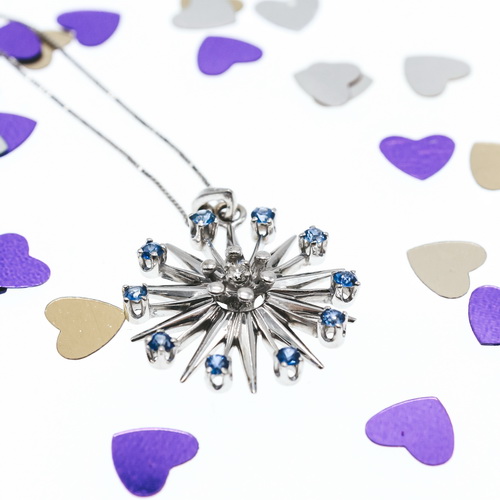
The Allure of Fancy Diamonds: Nature’s Rare Masterpieces
While the classic, brilliantly transparent diamond has long been the traditional symbol of luxury, brightly colored diamonds represent an entirely different echelon of rarity and prestige. Most diamonds found in nature are nearly colorless, making these vibrant anomalies true geological marvels.
The Science of the Spectrum
A diamond acquires its unique hue when trace elements and foreign substances—such as nitrogen or boron—become trapped within its carbon crystal lattice during its formation deep within the Earth. This natural infusion transforms a standard stone into a vivid spectacle of color.
The Pricing Paradox: Interestingly, the diamond market dictates a fascinating paradox. Colored diamonds are so exceptionally rare and coveted that only the absolute purest, completely flawless transparent diamonds can even begin to compete with them in price.
Crafting "Fancy" Gems
Because color dictates the stone's ultimate value, jewelers must approach these diamonds with an entirely different strategy.
-
Unique Faceting: Standard diamond cuts are designed to maximize light return and sparkle. However, colored diamonds require specialized cuts designed to deepen and enhance the refraction of their specific hue.
-
Industry Classification: In the world of high jewelry, these meticulously cut, naturally colored stones are officially classified as Fancy diamonds.
Legendary Collections and High Society
Today, elite jewelry houses around the world fiercely compete to feature Fancy diamonds in their collections. Some of the most magnificent stones are preserved not just for commerce, but for history. For example, the Aurora Pyramid of Hope, one of the most comprehensive and famous collections of naturally colored diamonds in the world, is proudly housed in London’s Natural History Museum.
A Legacy of Glamour and Pop Culture
The exclusivity of Fancy diamonds has made them the ultimate status symbol among Hollywood elite. Celebrities often consider them the crowning jewels of their wardrobes, with notable examples including Jennifer Lopez’s iconic Harry Winston engagement ring and Blake Lively’s stunning piece by Lorraine Schwartz.
The cultural fascination with these gems even extends to cinema. The legendary "Heart of the Ocean" necklace from the blockbuster film Titanic was directly inspired by a very real, world-renowned gem: the Hope Diamond. This massive, mesmerizing blue diamond was famously owned by Pierre Cartier before finding its permanent home on display at the Smithsonian Institution, where it continues to captivate millions of visitors today.