


Emerald
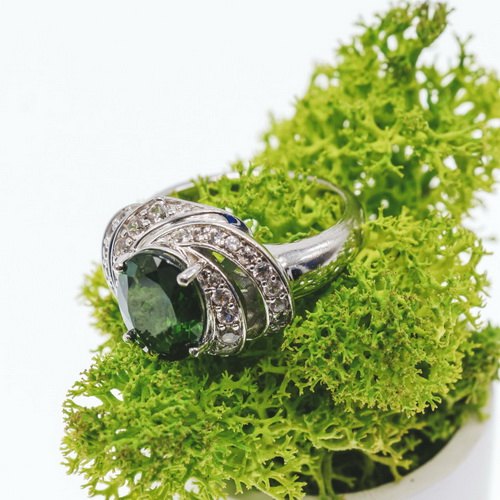
The Enigmatic Emerald: Four Fascinating Realities Behind the Gem
Emeralds have captivated humanity for millennia, primarily renowned for their striking, lush green hues. However, beyond their undeniable aesthetic appeal lies a fascinating world of mineralogical quirks and rich history.
Here are four captivating facts about one of the world's most coveted gemstones:
-
The Paradox of Fragility: While emeralds are highly resistant to scratching (scoring a 7.5 to 8 on the Mohs hardness scale), they lack toughness and are notoriously brittle. This vulnerability is due to natural internal fissures and inclusions, affectionately known in the gem trade as jardin (French for "garden"). Because a sudden impact or strong pressure can easily split the gem, experts strongly recommend storing emeralds in isolated, soft-lined compartments away from other jewelry.
-
Colossal Discoveries: The sheer scale of some emerald deposits defies imagination. One of the largest cut emeralds ever recorded originates from Brazil, boasting a staggering weight of 7.5 kilograms (over 16.5 pounds). Successfully cutting and polishing a stone of this magnitude requires extraordinary lapidary skill and precision.
-
"Explosive" Crystals: In rare and dramatic instances, gemologists encounter "explosive" emeralds. Because these stones form under immense geological pressure, some crystals harbor extreme internal stress. If disturbed, or if the atmospheric pressure changes, this internal tension can release suddenly, causing the gemstone to spontaneously fracture into multiple pieces.
-
The Historic Mogul Mughal: Few gemstones carry the historical weight of the legendary Mogul Mughal emerald. Mined in Colombia during the 17th century and later transported to India, this 217.8-carat marvel is a masterpiece of ancient craftsmanship. It features intricate Arabic calligraphy—specifically Shi'a prayers—and exquisite floral motifs meticulously hand-carved into both sides of the stone.